
JAPAN → ŽABALJ
AKIRAMIYAWAKI
1928 · OKAYAMA, JAPAN THE BOTANIST WHO SAW A FOREST AS A COMMUNITY
Akira Miyawaki asked a different question: what kind of forest belongs in this place, and what would help it return?
Discover the method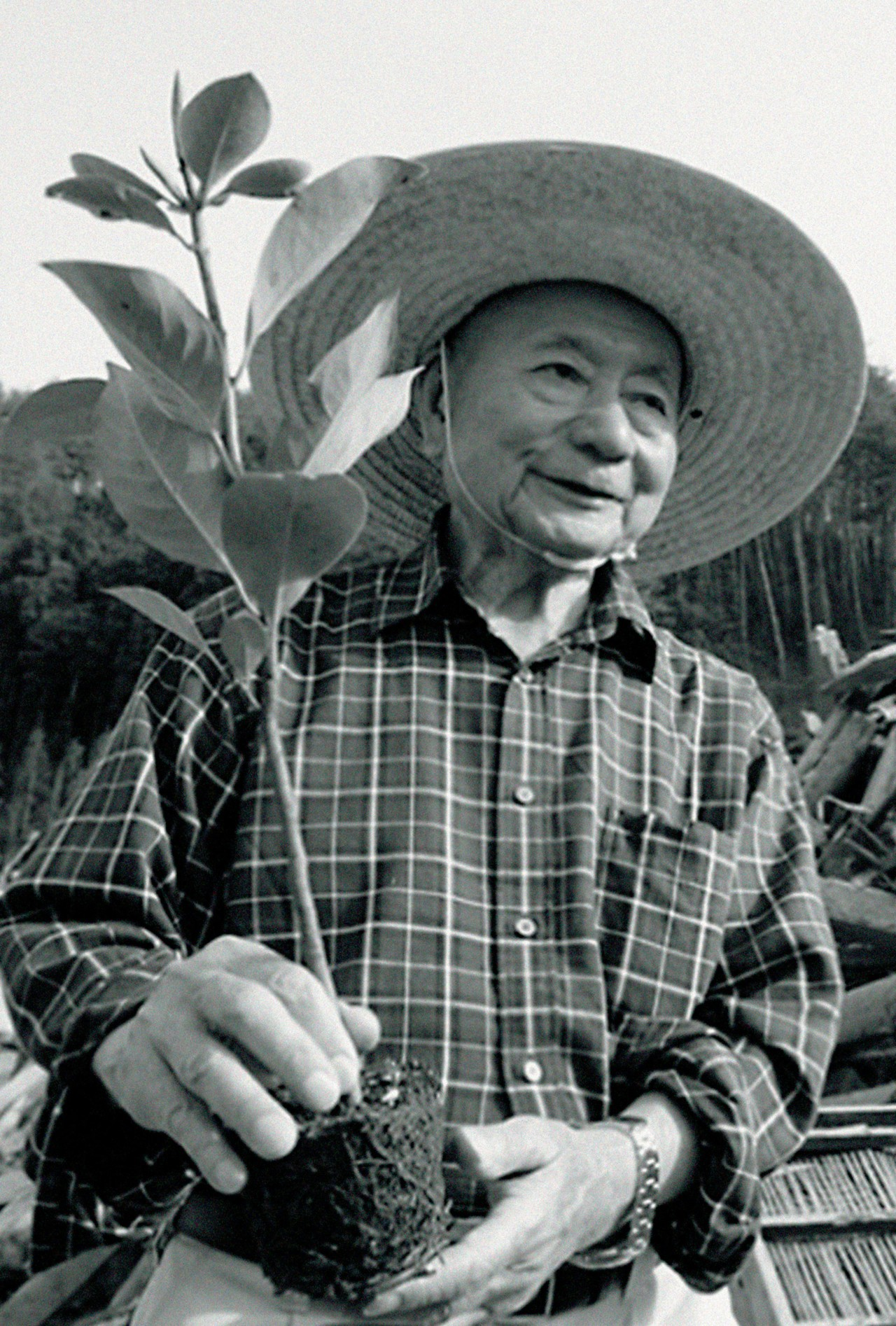
He began by listening to the land.
Japanese botanist Akira Miyawaki studied what remained of natural forests, including groves around shrines. He identified the species a place could support under its present conditions, an idea known as potential natural vegetation.
That research shaped his approach to restoration: prepare the site carefully, bring together local species and plant them in a dense mix. In 2006, he received the Blue Planet Prize for his work.
Four steps.
One living system.
It starts with understanding the place and continues long after planting day.
- 01▲
Start with the site
Look at the soil, water, light, climate and surrounding plants. There is no species list that works for every site.
- 02▼
Choose species that belong here
Select trees and shrubs native to the local ecosystem and suited to the soil.
- 03▲
Plant a diverse mix, close together
Different species and layers grow side by side. Planting density should fit the site, not follow a number copied from elsewhere.
- 04▼
Keep coming back
Young forests need water, mulch and regular checks. Some plants may need replacing. Only time will show how the whole community develops.
A FOREST IS MORE THAN A ROW OF TREES.
IT IS A LIVING COMMUNITY.
The method is our inspiration.
Žabalj is where it meets the ground.
In December 2025, we planted 640 plants from 18 native species across 250 m² at Sunčan Salaš in Žabalj. We are recording what we planted and how we care for the site. Survival is a separate measure that takes time to establish.
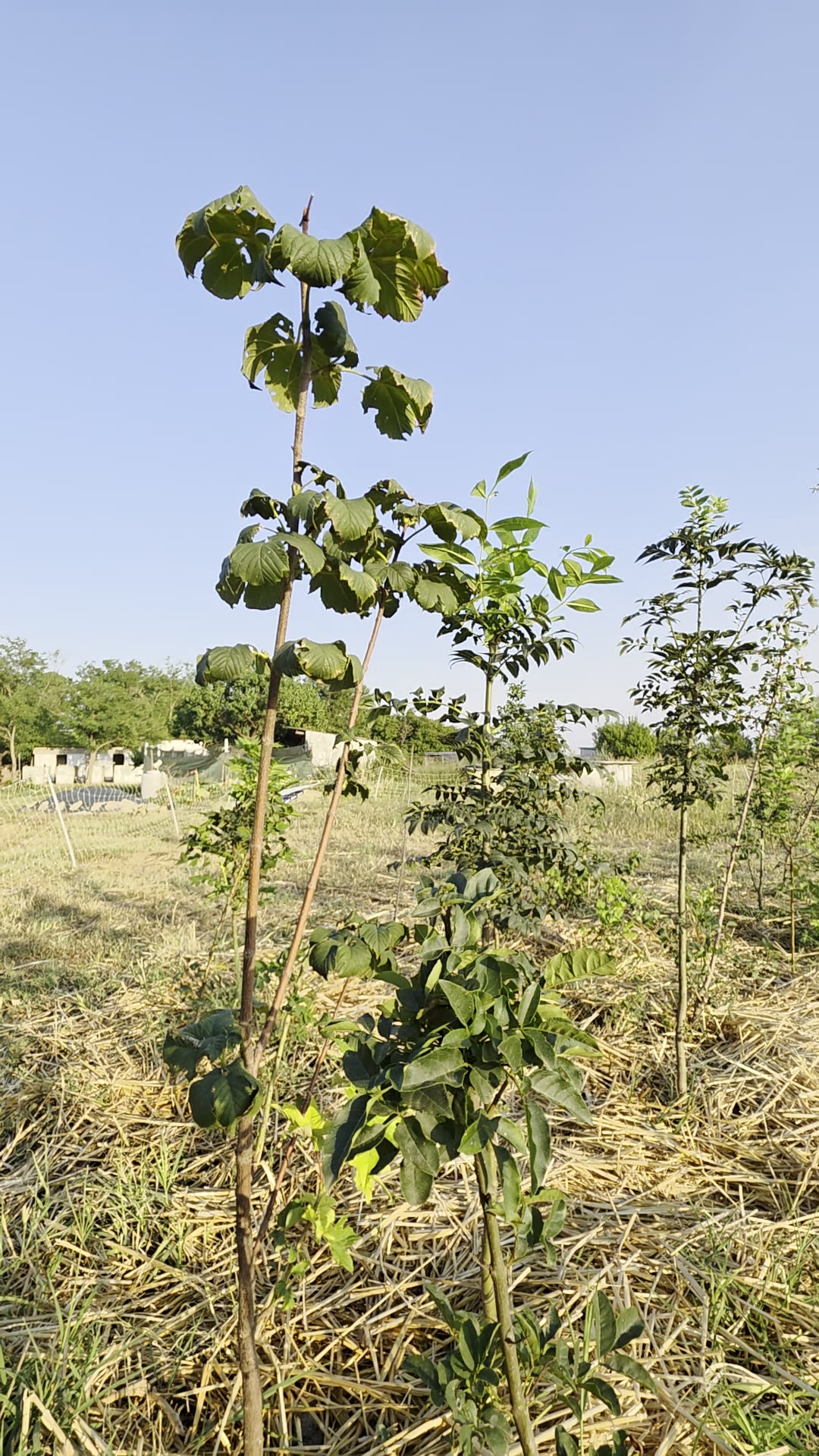
No magic numbers.
Miyawaki’s work offers a compelling approach, but every forest grows in its own soil and climate. A 2026 review found some evidence of faster early growth at certain sites, but not enough long-term evidence to support familiar claims such as “ten times faster” growth or complete independence after three years. We prefer to observe and report what actually happens in Žabalj.